



Classification of Flexible Packaging Composite Processes
Aug 19,2025


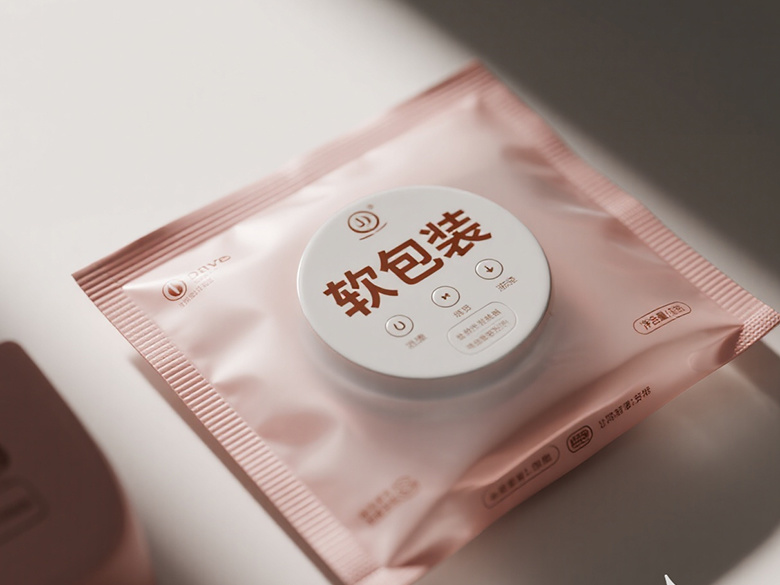
What is flexible packaging? Flexible packaging can be understood as packaging whose container shape can change after filling or removing the contents.
There are two main categories of flexible packaging.
Category one: Classification by composite process.
1) Dry coating with organic solvent adhesive composite flexible packaging;
2) Wet coating with inorganic adhesive composite flexible packaging;
3) Extrusion film lamination composite packaging;
4) Multilayer co-extrusion (using two or more extruders) composite flexible packaging;
5) Hot melt adhesive coating composite flexible packaging;
6) Solvent-free (i.e., solid adhesive) composite flexible packaging;
7) Physical vapor deposition composite flexible packaging;
8) Physical vapor deposition composite flexible packaging;
9) Mixing type composite flexible packaging;
10) Combination of the aforementioned methods composite flexible packaging, etc.
Category two: Composite materials.
1) Paper and paper;
2) Paper and metal foil;
3) Paper and plastic film;
4) Plastic film and plastic film;
5) Plastic film and metal foil;
6) Plastic film and metal film;
7) Plastic film and base material;
8) Plastic film and inorganic compound film;
9) Plastic film and organic compound film;
10) Amorphous plastic film and plastic film;
11) Base material and nano-scale ultrafine particle composite;
12) Base material coated or impregnated with special additives;
13) Multilayer composites of composite materials, etc.
TAG:
Next page
Related news


Your one-stop solution!
Providing you with an "advanced, efficient, and reliable" one-stop solution for liquid and viscous material flexible packaging according to your needs.
Contact us
Person in charge: Mr. Xu
Mobile/WeChat:8613703601493
Phone:86451-84348420
Fax:86451-84348419
Email:saidepack@163.com
Address: No.16 Honghu Street, Yingbin Road Central Area, Development Zone, Harbin, China
Website:www.saidepack.cn

WeChat Official Account

Douyin QR code